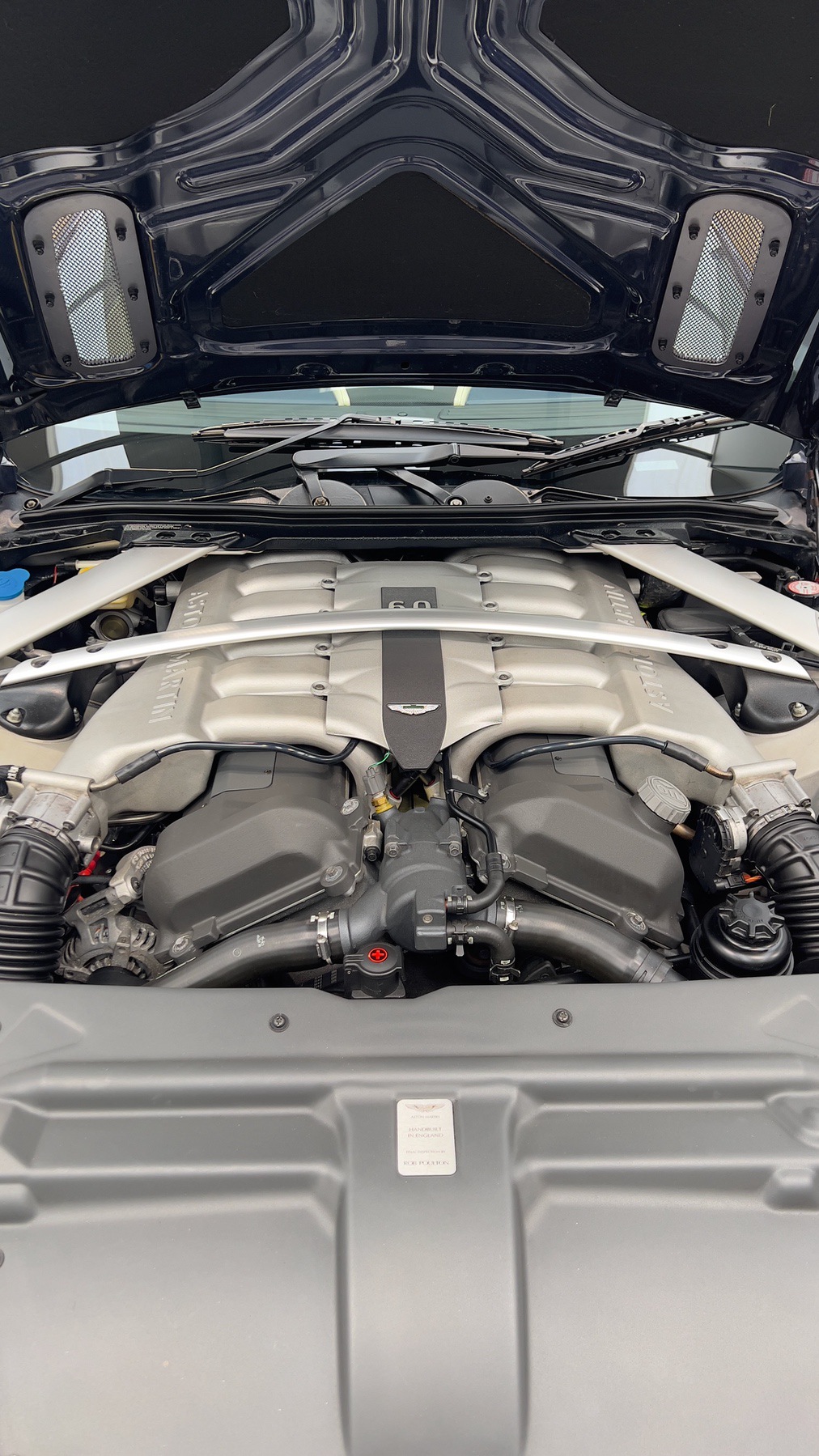
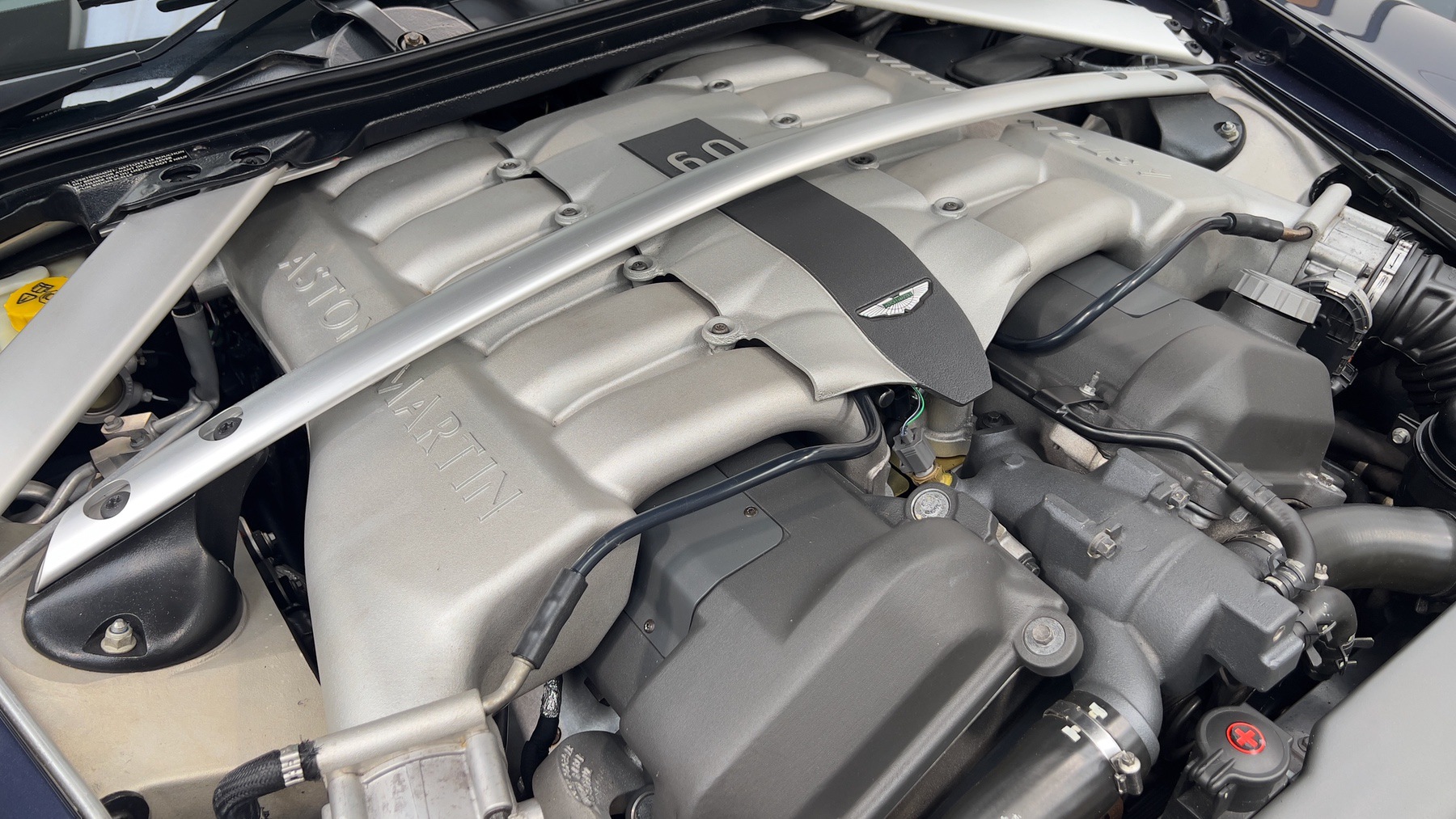
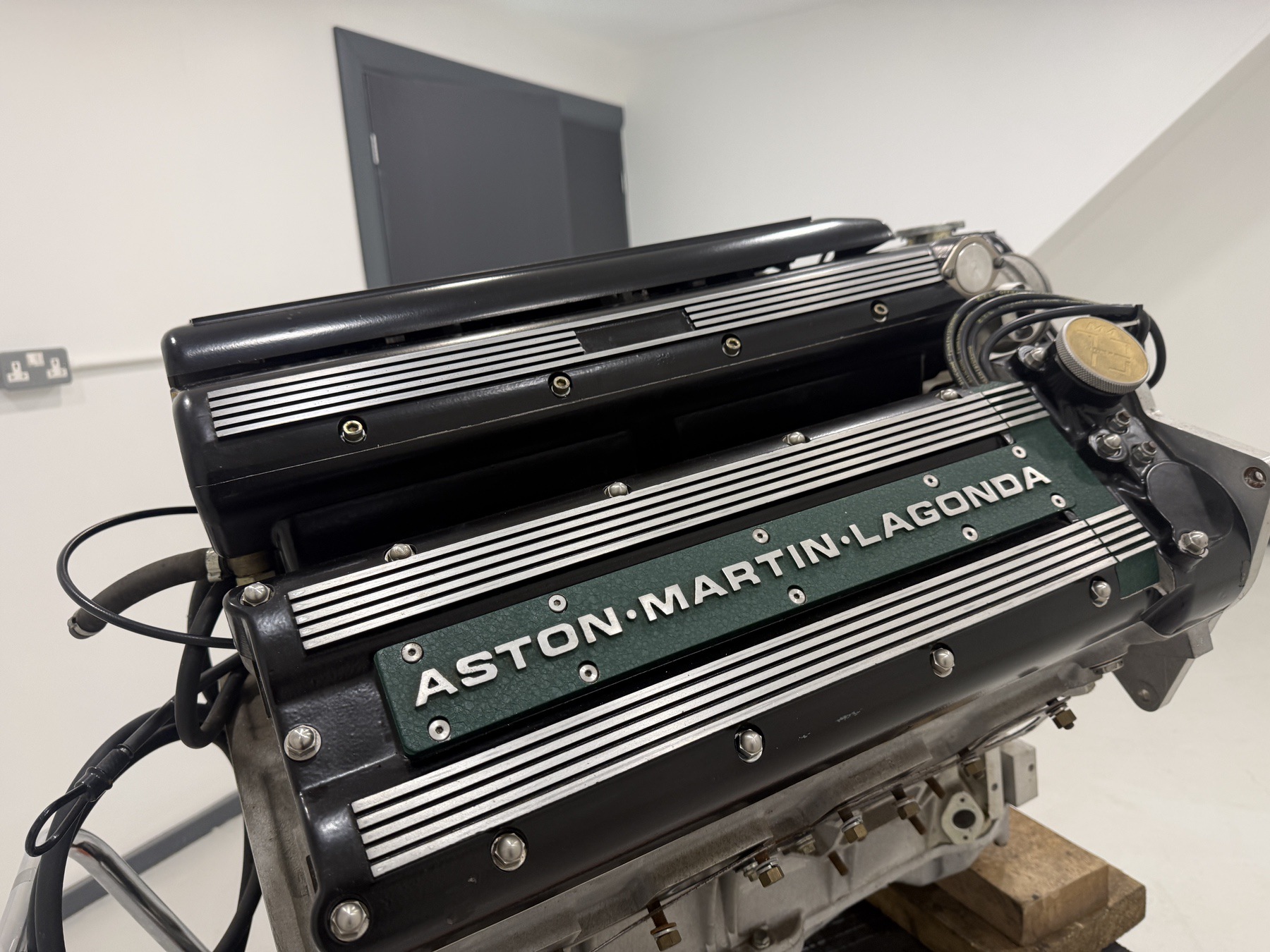
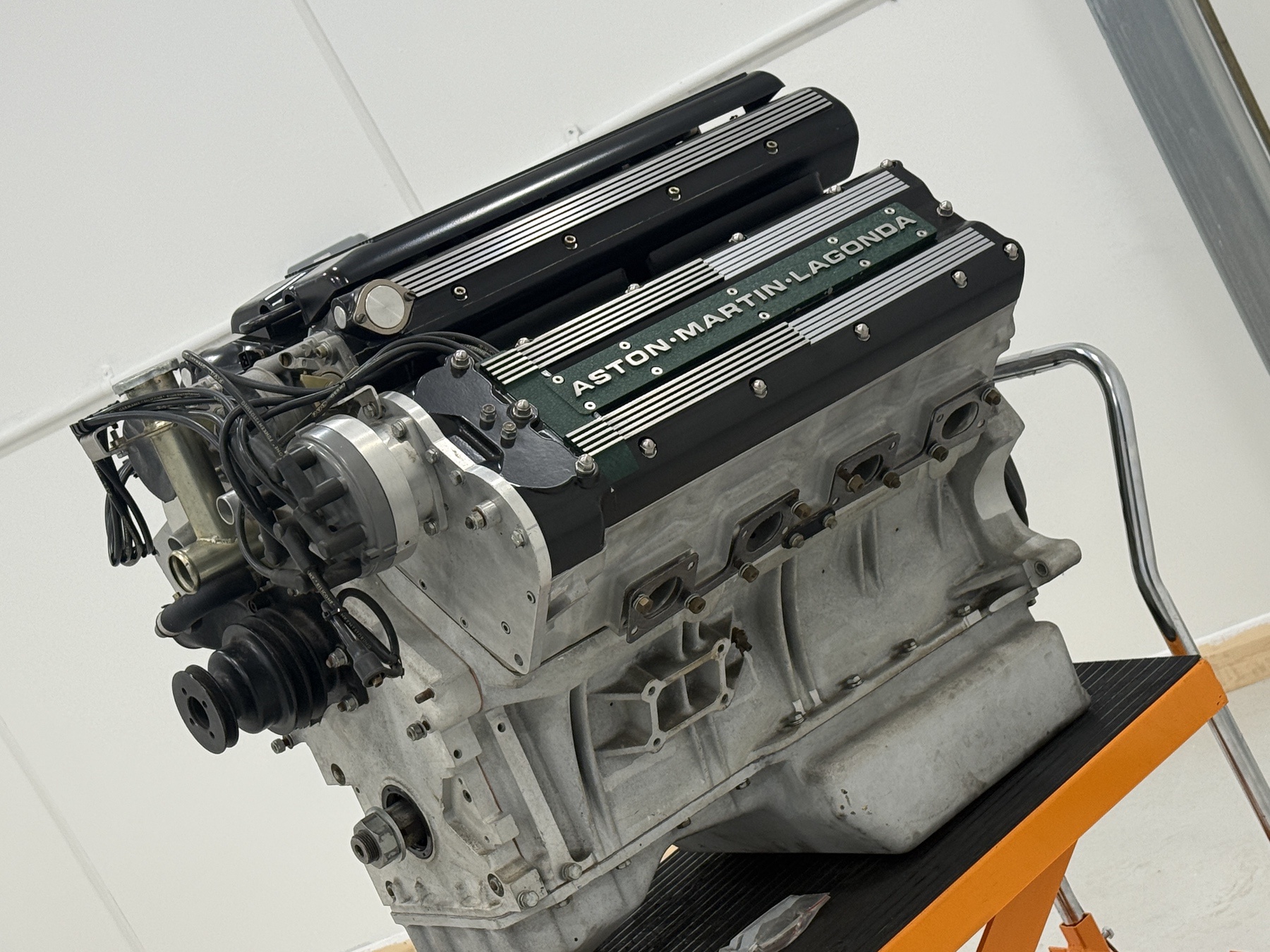
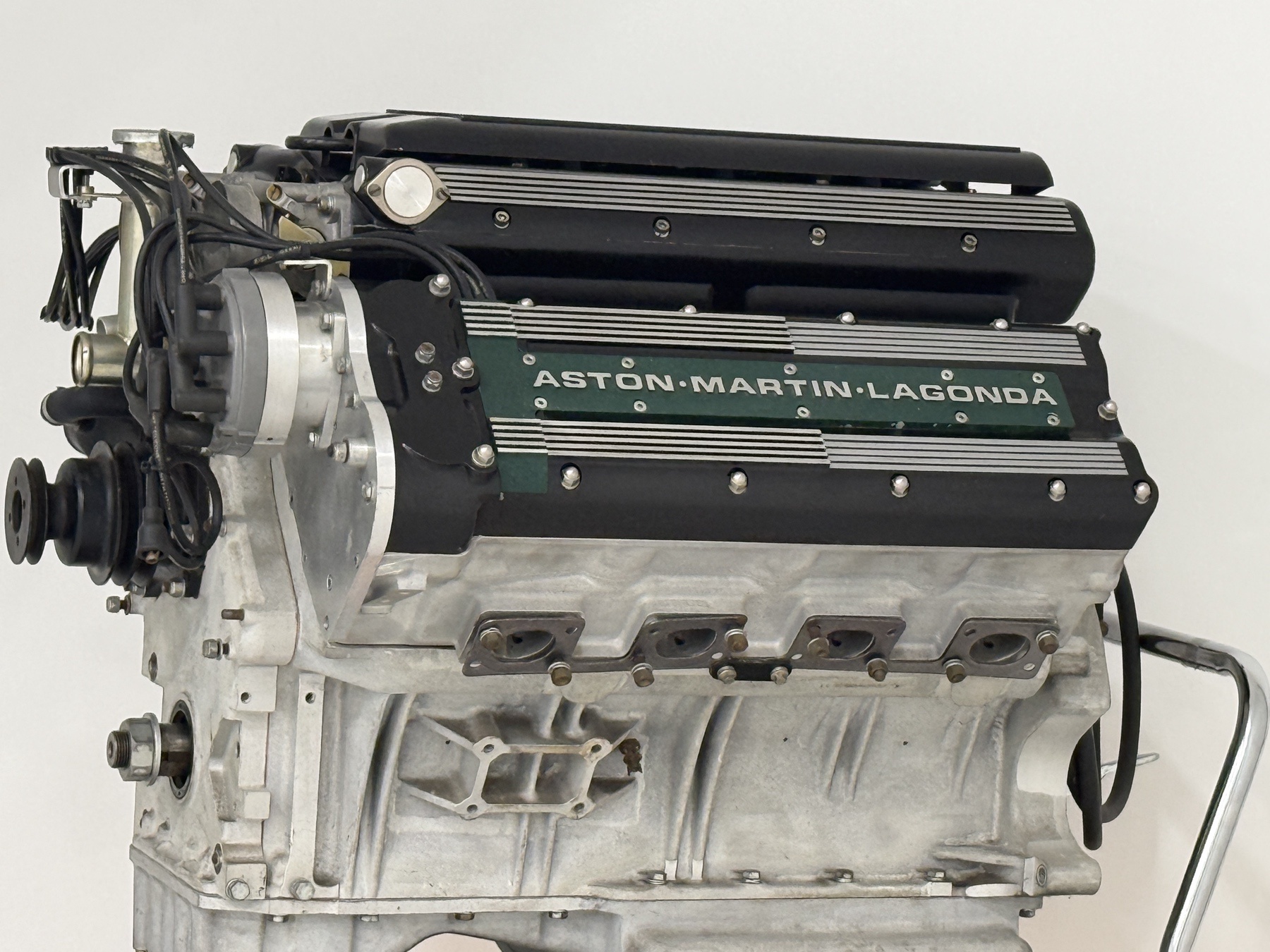
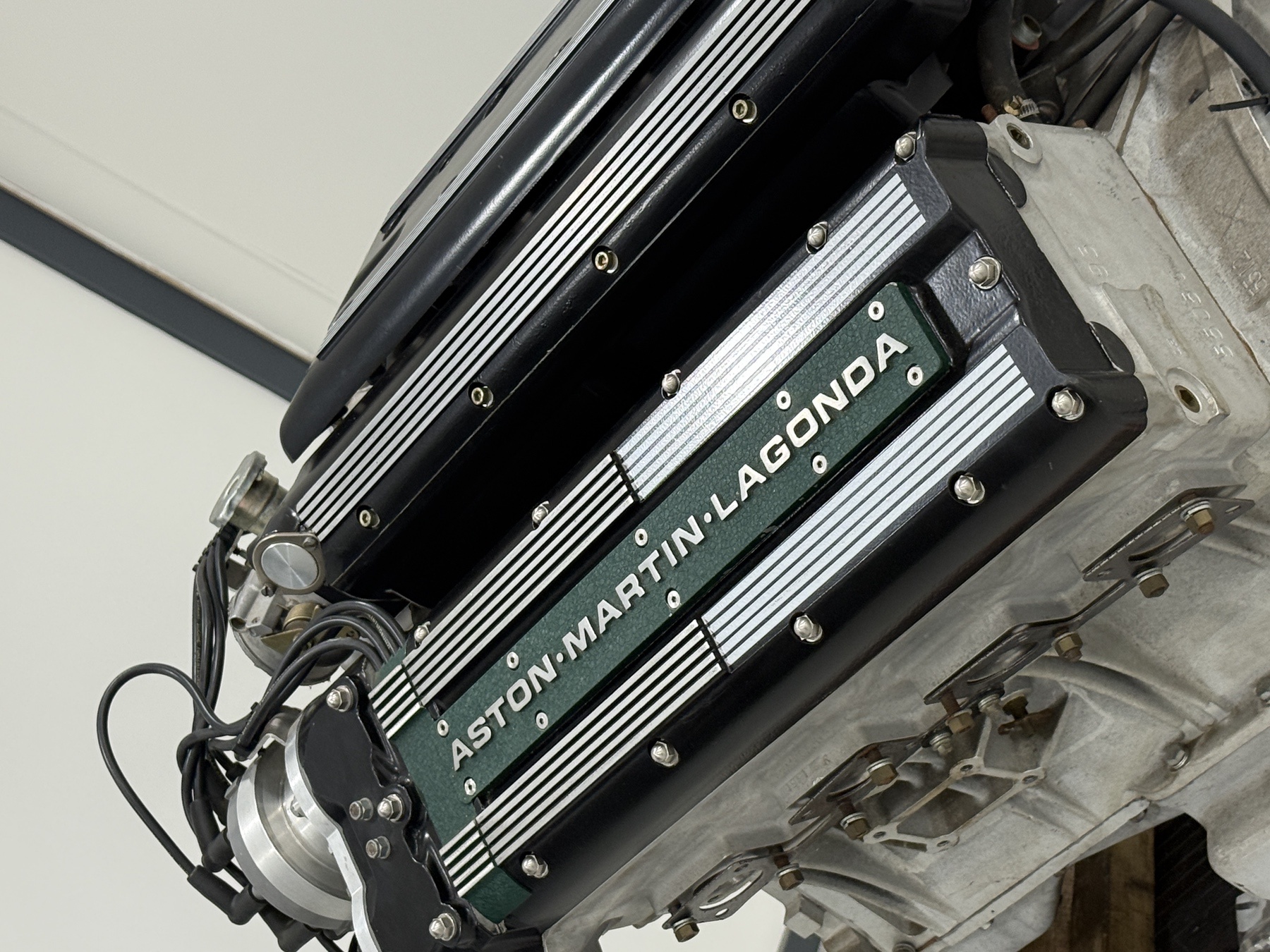
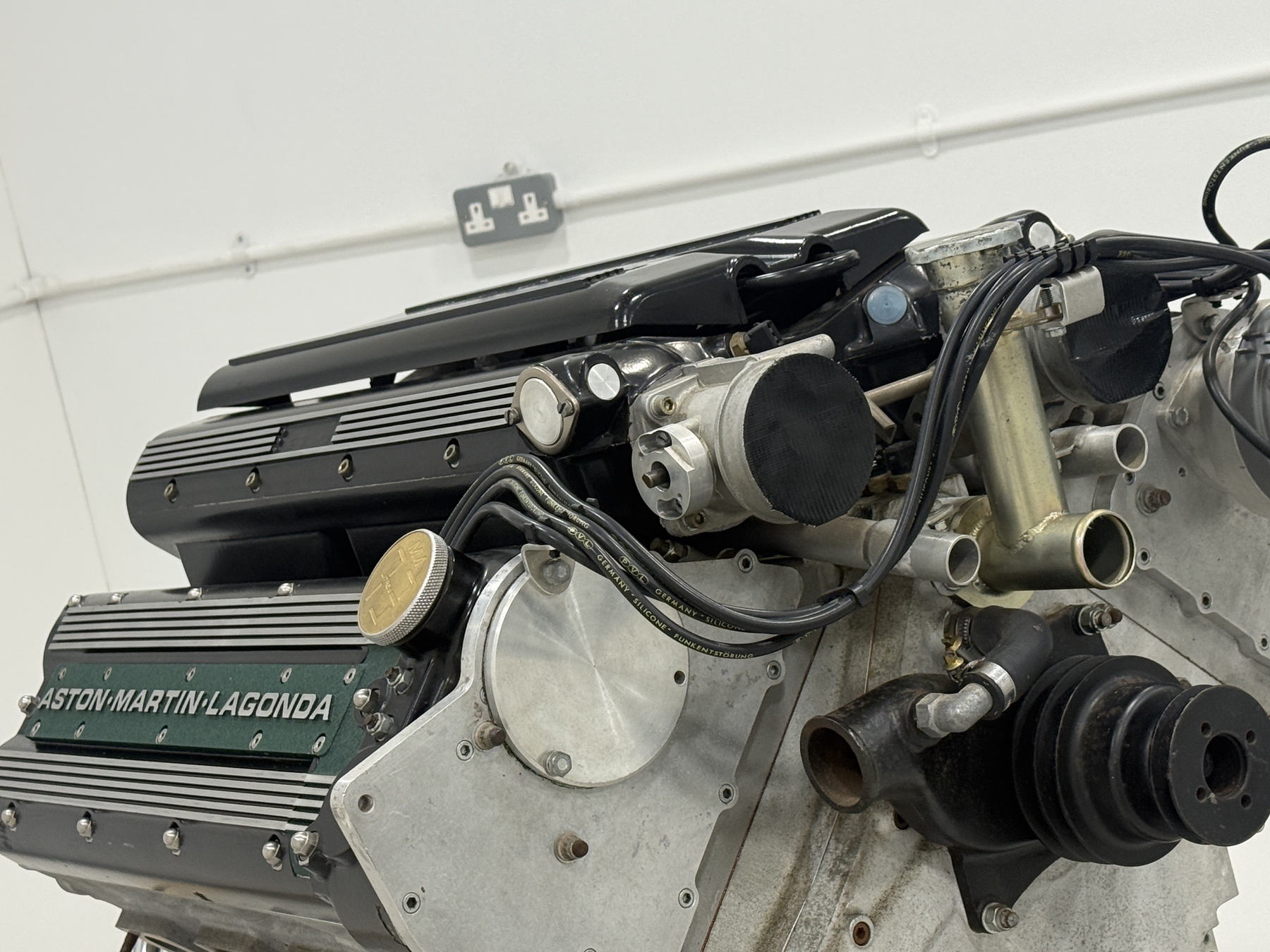
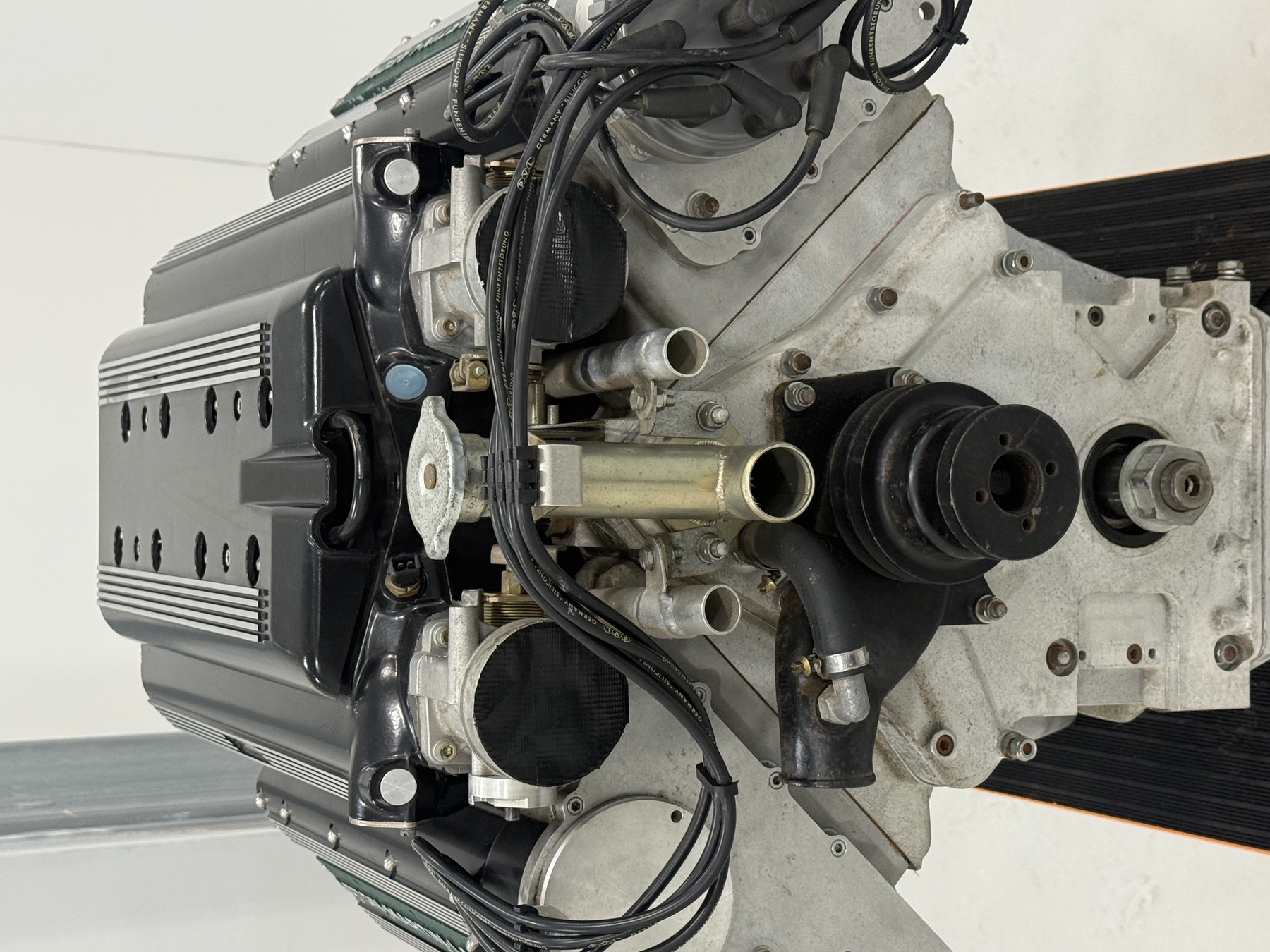
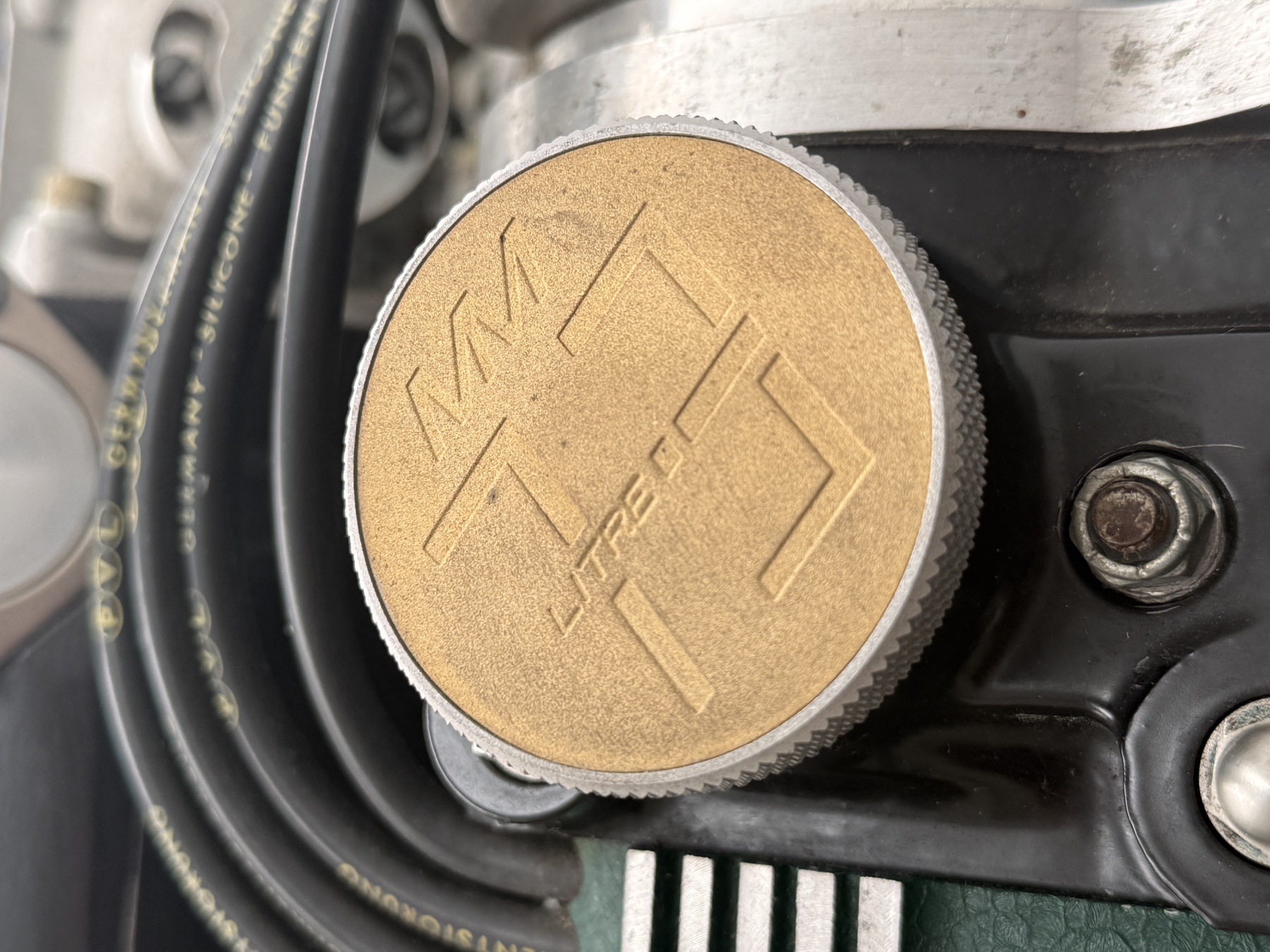
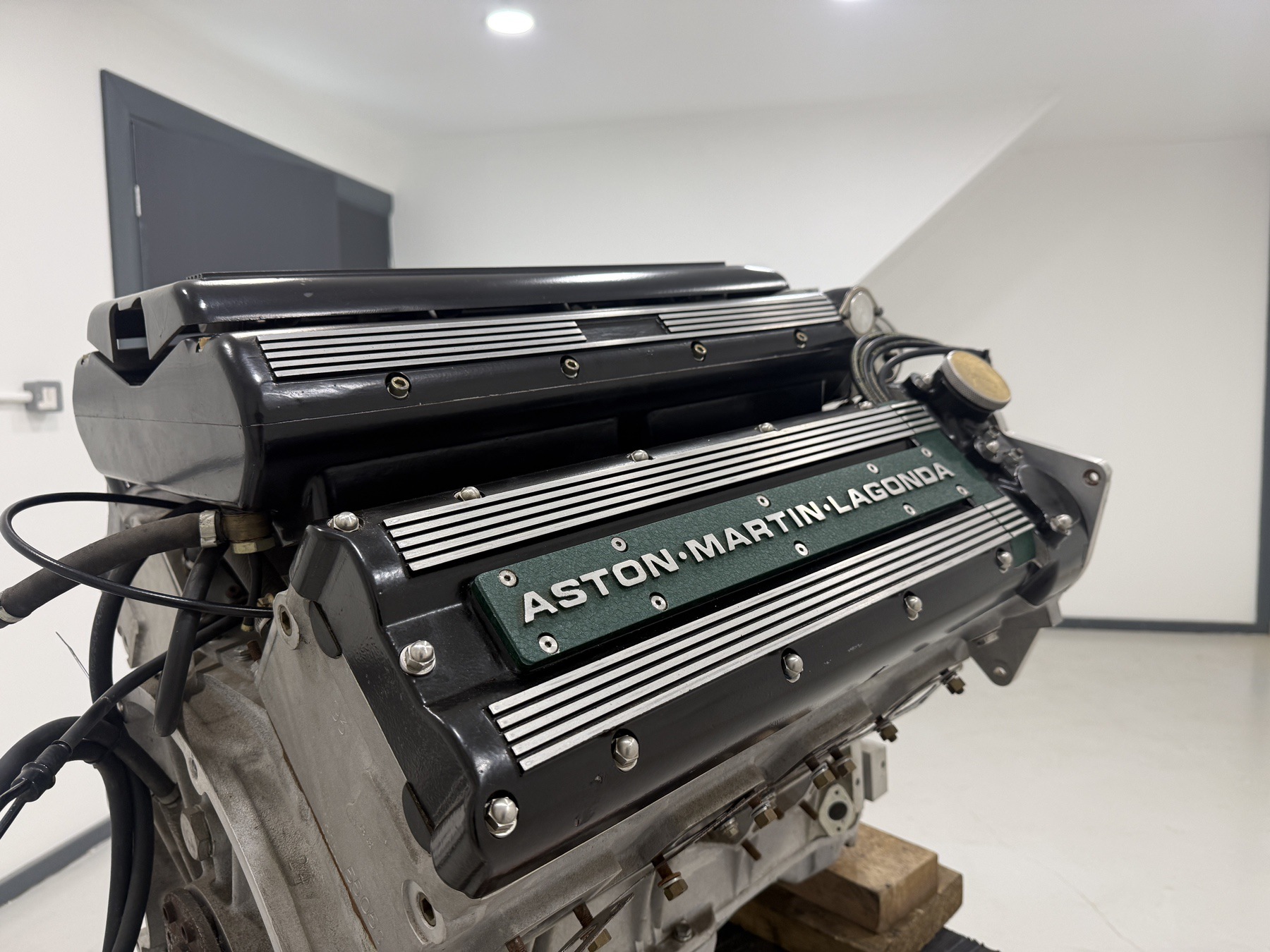
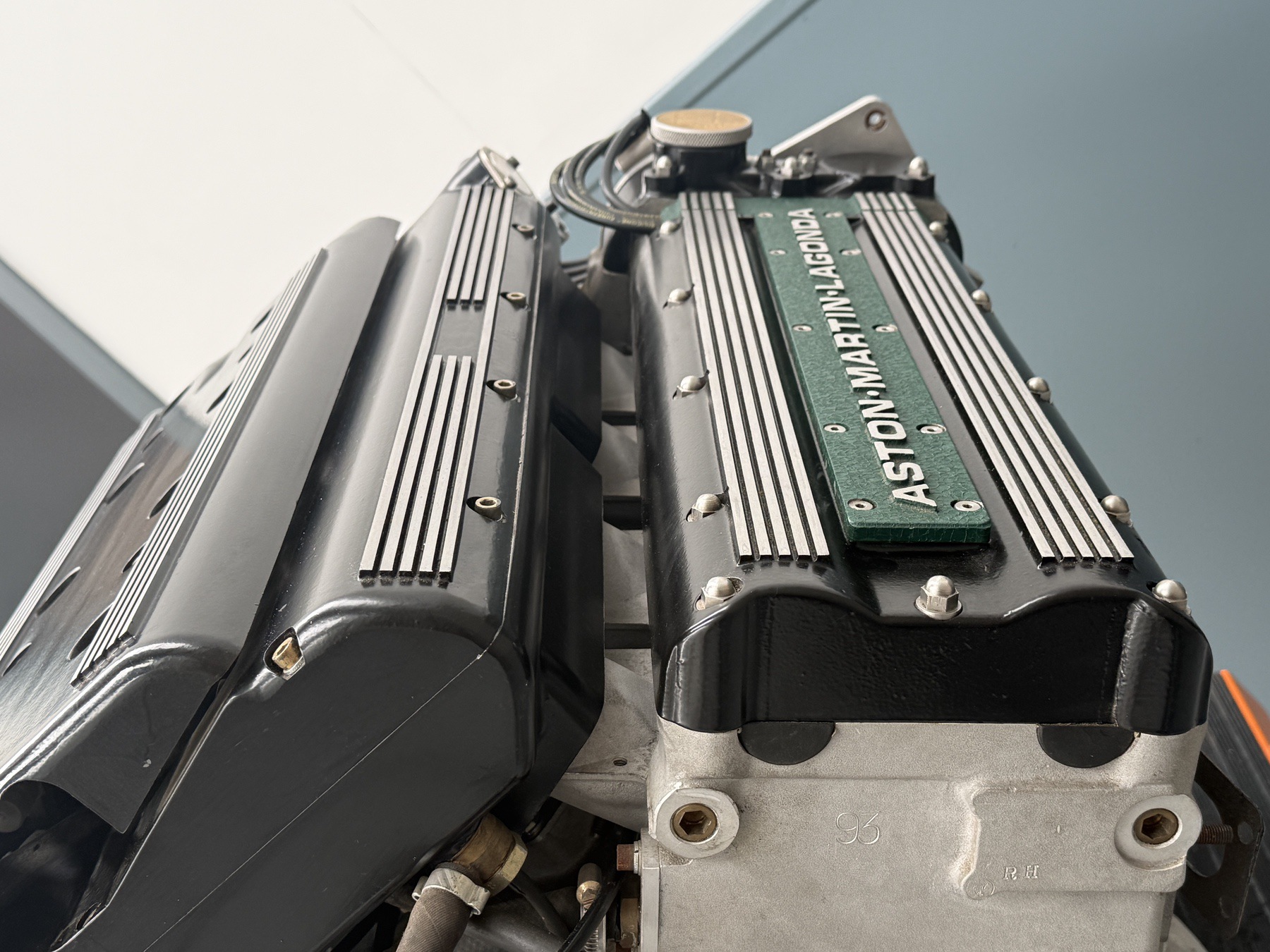
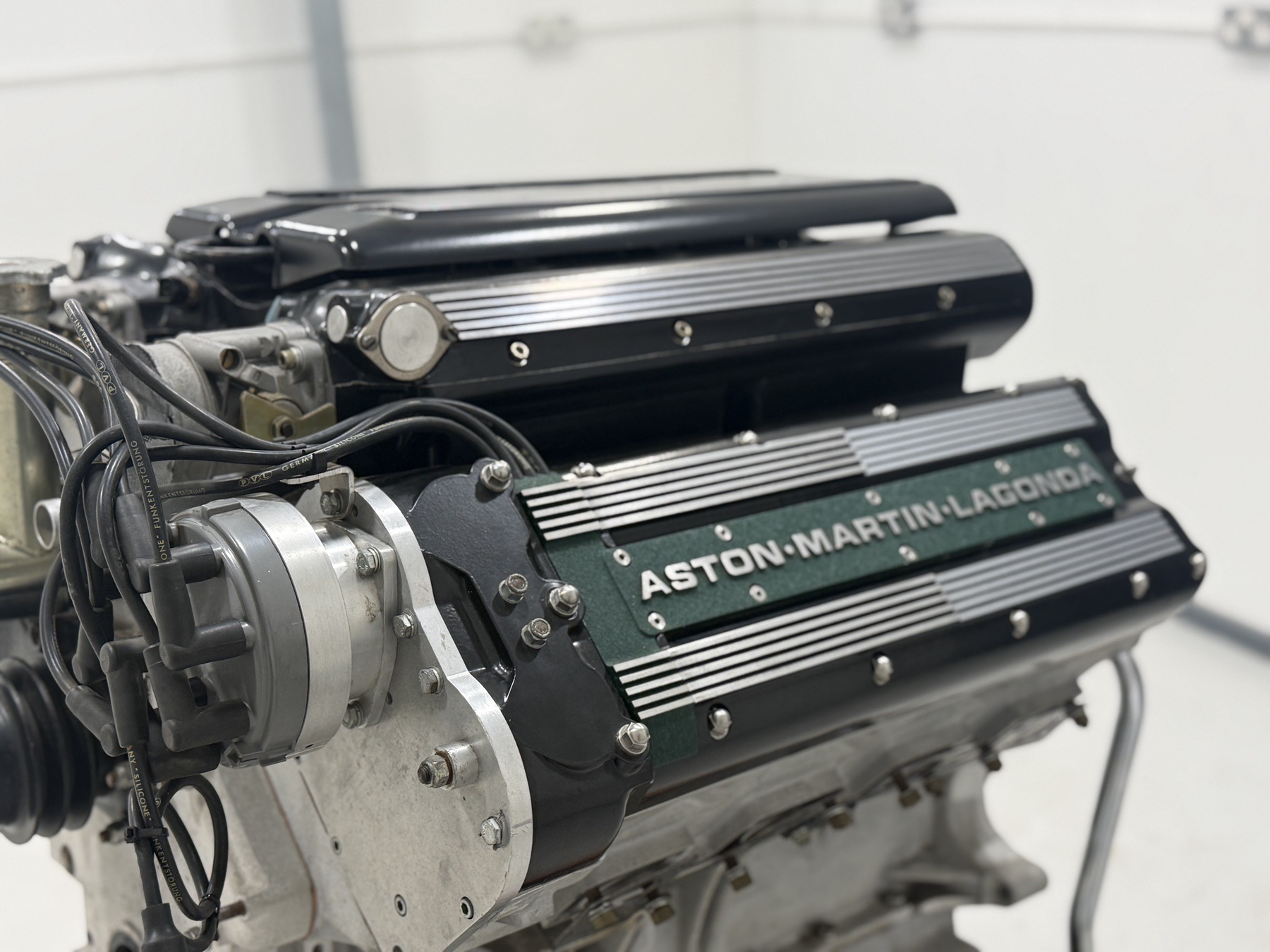
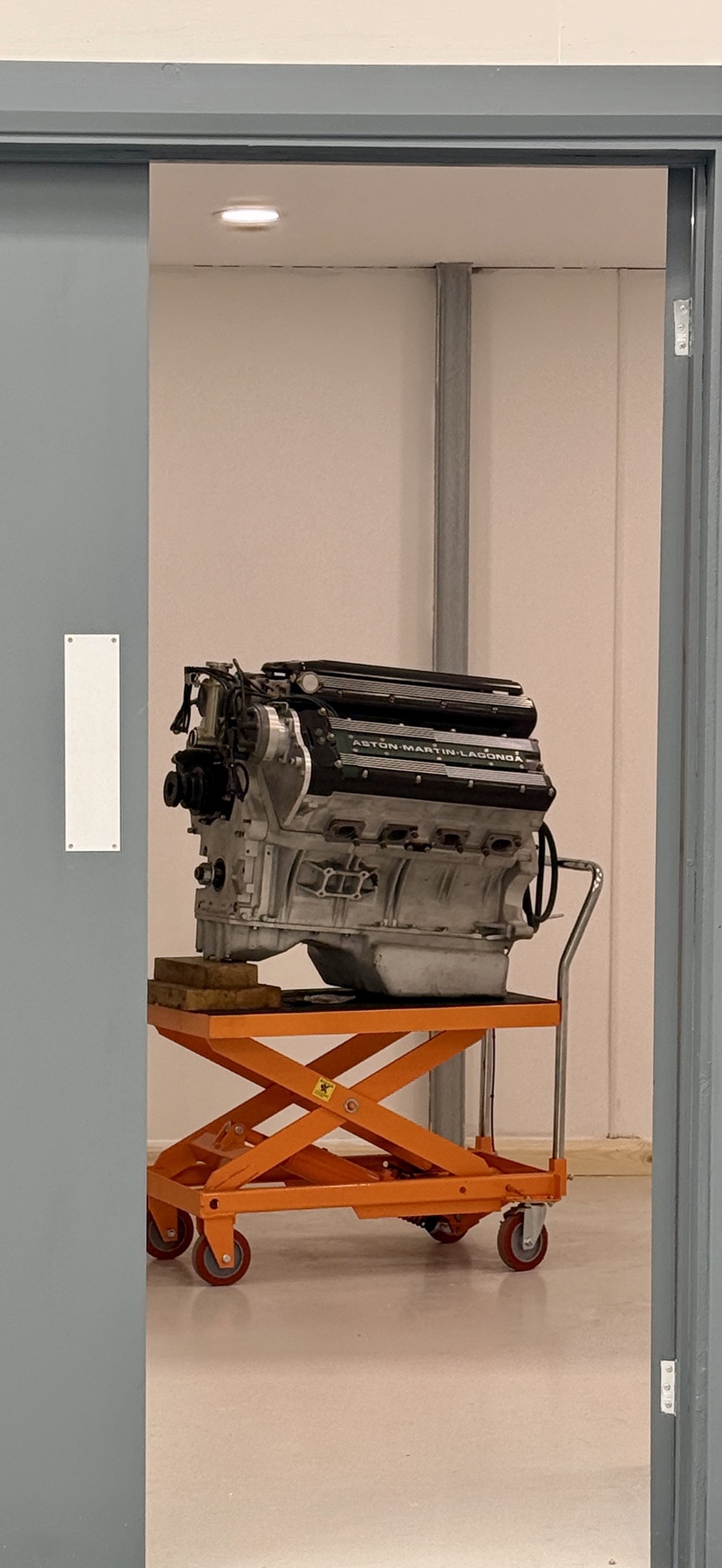
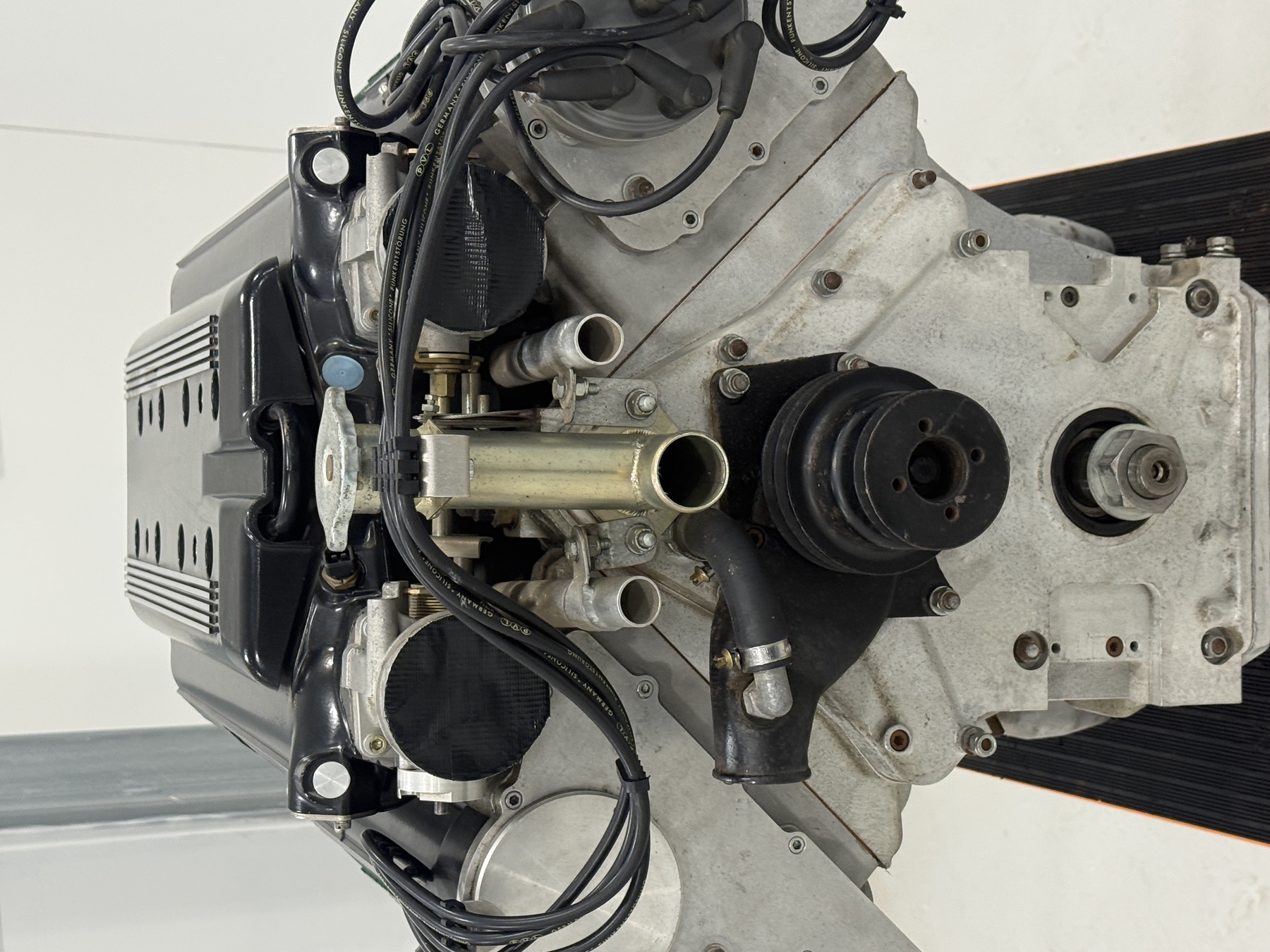
An incredibly high-specification Aston Martin 7.3 Litre Multi-Valve V8 Engine, available now for your project.
Design Brief
1) Use the best quality components available.
2) Reduce internal stresses wherever possible.
Background and Development
This engine represents decades of Aston Martin expertise in developing high-capacity, high-performance upgrades. The only 7.3-litre multivalve V8 ever produced, it is a truly unique powerplant with a remarkable development history.
Built without compromise, ensuring both performance and durability in equal measures.
Engineering Specification
• The uprated crankshaft is solid billet, plasma nitride EN40B (US EQV), designed to have improved internal oil passages. Drilled and lightened big ends. Constructed from one piece, without the need for Oil gallery plugs, removing the possibility of these becoming dislodged.
• Connecting rods manufactured to be as light as possible but with a design brief of "failure is not an option" The result - machined billet rods with aerospace bolts with a tensile strength of 22,000 P.S.I, Guaranteed to 1000 BHP @ 10,000 RPM and 800 FT Lbs of torque. Their weight is exactly 2/3rds of the weight of a standard 5.3L Rod. Weighing just 624 Grams as opposed to 933 for the O/E. Light and ultimately durable.
• The whole bottom end assembly balanced to a Formula One degree of accuracy.
• The pistons are low-expansion-rate forged. Despite the bore being over 4.0", the cold piston-to-bore clearance is .004", promoting quiet and refined running. Anti-detonation bands are included above the top piston ring, also incorporating a gas expansion ring between the compression and second ring, reducing piston ring "flutter". Gudgen pins are retained by dual Spira lock clips. Piston weight remains on the lighter side of the O/E forged pistons despite the increase in diameter of .250" (6.35mm), approximately.
From the Designer
David Martin (designer) writes:
To put the above into perspective, each 1 X OZ of weight in the piston and rod assemblies can exert a load of approximately 1 X Ton on the crankshaft @ 6500 RPM. To balance a V8 Crank, counterweight assemblies are bolted around the big end pins to simulate the rotating masses of the pistons and connecting rods. These weight assemblies for a 5.3L V8 range from 2369 gms to 2539 gms. In order to balance the 7.3L V8, we had to make up counterweights of 1990 gms, a saving of almost 20% on the lightest 5.3L counterweights. This means that when a 5.3L engine reaches an RPM, it exerts a 20 Ton load on the crank. Our 7.3 Litre engine at that same RPM will be showing a load of approx 16.5 Tons.
One of the problems with long-stroke engines is the distance down the bore travelled by the piston. On a previous large engine I worked on, I was told to use liners designed for a different application. Despite protest, I was instructed to go ahead. The result is that this engine has acquired a reputation for burning oil. There was so much Piston "Hanging" out of the bore, at the bottom of the stroke when the piston was down, that it allowed the piston to "cock" and momentarily unseat the piston rings. In the 7.3L engine, the liners have not only been extended down in the bottom with clearance to the rotating crank webs, but have been further extended down in the form of a break between the rotating crank webs; this gives maximum support to the piston at the bottom of the stroke, and keeps running true, reducing oil consumption.
Large output engines produce more heat. With this in mind, whilst the liners are out, we extensively modified the coolant flow to the back of the engine to ensure overheating will not be a problem.
I hope the above reassures you; when I address an engine project, longevity and reliability are treated with at least as much importance as power output.
David Martin, 10th of August 2018.
Cylinder Heads and Final Build
With no compromises in costs, the engine also benefited from gas-flowed cylinder heads, with David Vizard acting as a consultant, new, specifically designed camshafts, all aspects re-machined as required. All Head bolts, gaskets, chains, guides, valves were replaced with new.
The engine cost was in excess of £100,000 to produce.
Condition and Availability
Since its construction, the engine has not run and is therefore brand new internally.
The engine is owned by us and is for sale at a very reasonable cost.
Ideally suited to a multitude of projects.
Naturally Aspirated Spec: Currently fitted with an 8-point rotor arm system to enable the use of a stand-alone ECU. The original type EFI set-up can be used as the modifications are completely reversible and are mainly bolt-on blanking plates. The engine is also ideally suited to a supercharged Vantage configuration or a bespoke turbocharged setup, depending on the new owner's requirements.
For sale as an outright purchase and can be shipped globally at cost to the buyer.